OMDP
Report of the 2nd Session of the CLIVAR Ocean Model Development Panel
Submitted by Nico on Wed, 2016-06-15 04:04Workshop on high-resolution ocean modelling for coupled seamless predictions
Submitted by admin on Mon, 2015-10-26 10:44An international workshop on high-resolution ocean modelling for coupled seamless predictions
Scope: The scientific development of ocean models and global coupled prediction systems at resolutions of order 1/12 ° for seasonal to decadal prediction and short-range weather forecasting.
Objectives/themes:

CLIVAR-relevant sessions at the 2016 Ocean Sciences Meeting
Submitted by Nico on Mon, 2015-08-17 07:02A compilation of all CLIVAR-realted sessions at the 2016 Ocean Sciences meeting is now availble on the US CLIVAR website

CLIVAR related sessions at AGU Fall Meeting
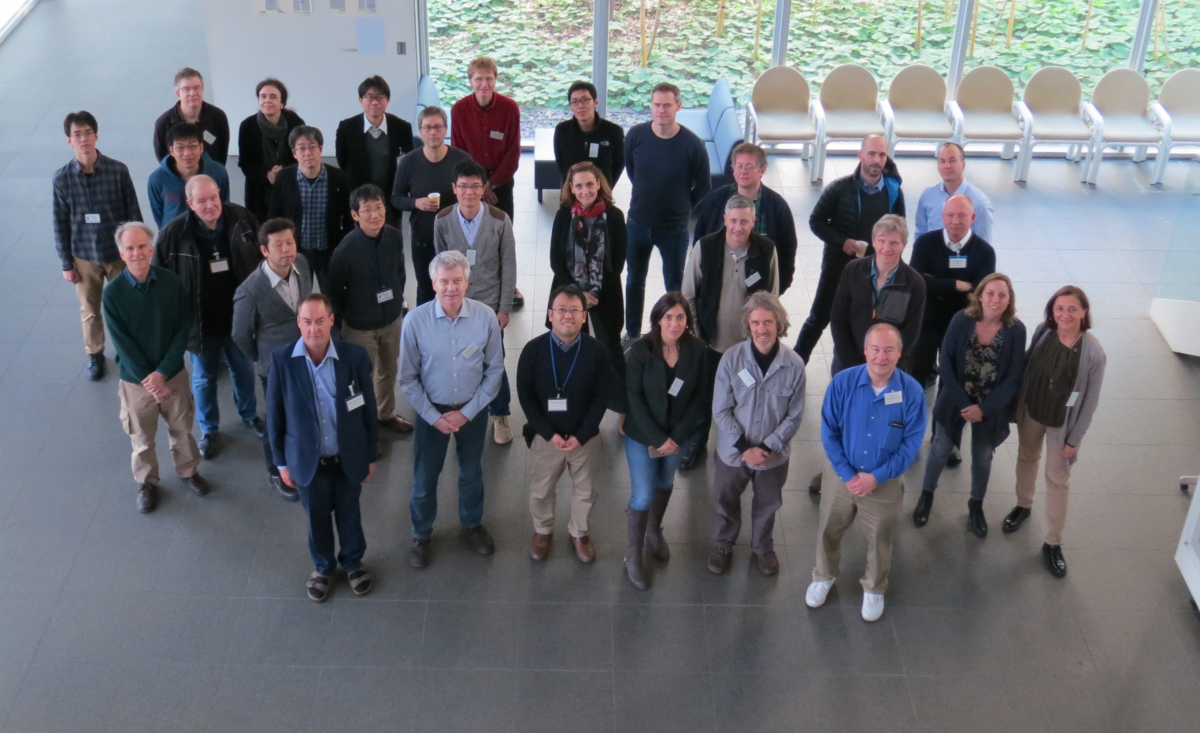
Submitted by Nico on Tue, 2015-07-14 06:372nd Session of OMDP - 'Extended' Meeting on Forcing Ocean-Ice Climate Models
Submitted by admin on Fri, 2015-05-29 16:30

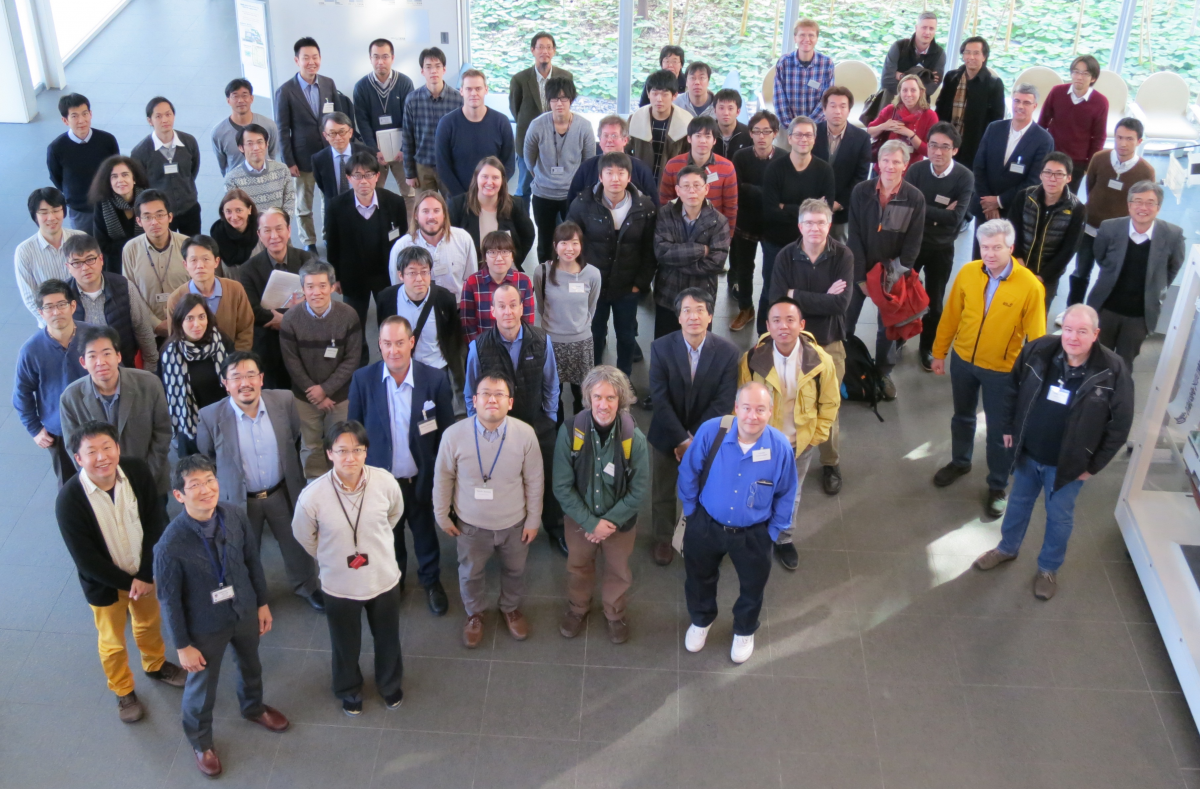
CLIVAR/JAMSTEC Workshop on the Kuroshio Current and Extension System: Theory, Observations, and Ocean Climate Modelling
Submitted by admin on Fri, 2015-05-29 14:59PREFACE-PIRATA-CLIVAR Tropical Atlantic Conference
Submitted by admin on Wed, 2015-05-13 02:17Abstract submission for the open conference is now open and will close on 15th June 2015. To submit an abstract, visit the conference website:
http://mathieurouault6.wix.com/pirataprefaceconf
Report on CLIVAR Ocean Model Development Panel (OMDP) mini workshop on forcing ocean and sea-ice models
Submitted by LinaKang on Fri, 2015-05-08 09:37ICTP - CLIVAR School on Ocean Climate Modelling: Physical and Biogeochemical Dynamics of Semi- Enclosed Seas
Submitted by admin on Mon, 2015-02-09 08:10The School will be organized in daily morning sessions with key lectures divided in two main streams (Part A: Fundamentals and Part B: Applications), and daily afternoon sessions devoted to practical training (Part C: Hands-on sessions). Practical sessions will be the backbone of the school, with hands-on training in the use of ocean and ecological models. The students will be guided through the necessary steps for setting up a simulation, from generating the input fields to choosing the appropriate physical settings, to finally analyzing and postprocessing the data.